-
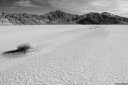
Desert photo featured by BBC and BES
I’m traveling in Mexico this week, so a short post – check out the British Ecological Society’s annual photo contest! My image of Death Valley was the runner-up, and several other images were featured. You can see all the images at the BBC’s website.
-
Desert moons
A full moon in the Sonoran desert is a beautiful thing, lighting up canyons and cacti in an unearthly shade of light that is unseen during the day. The transition from full to new has biological consequences, too. Many animals’ behavior changes depending on the levels of light available in the night. The foraging behavior…
-
What does macroecology say about economic diversity?
Quiz time – in the map below, can you name the two species whose distributions are shown in red and blue dots? You can see that the occurrences of A are associated with warmer temperatures, whereas the occurrences of B are associated with colder temperatures and higher latitudes. Whatever you guessed, you were probably wrong.…
-
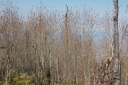
Winter grays
The surest sign of winter in my Arizona mountains is the fall change of colors. The summer’s greens are replaced by greys and browns, as ferns die back, sunflowers set seed, and the trees lose their last leaves. The change is remarkably synchronous. It feels like in a single day, summer is replaced by winter.…
Search
Mail: 32 Giannini Hall, Berkeley, CA, 94720 USA
Visit: 305/309 Hilgard Hall